
About
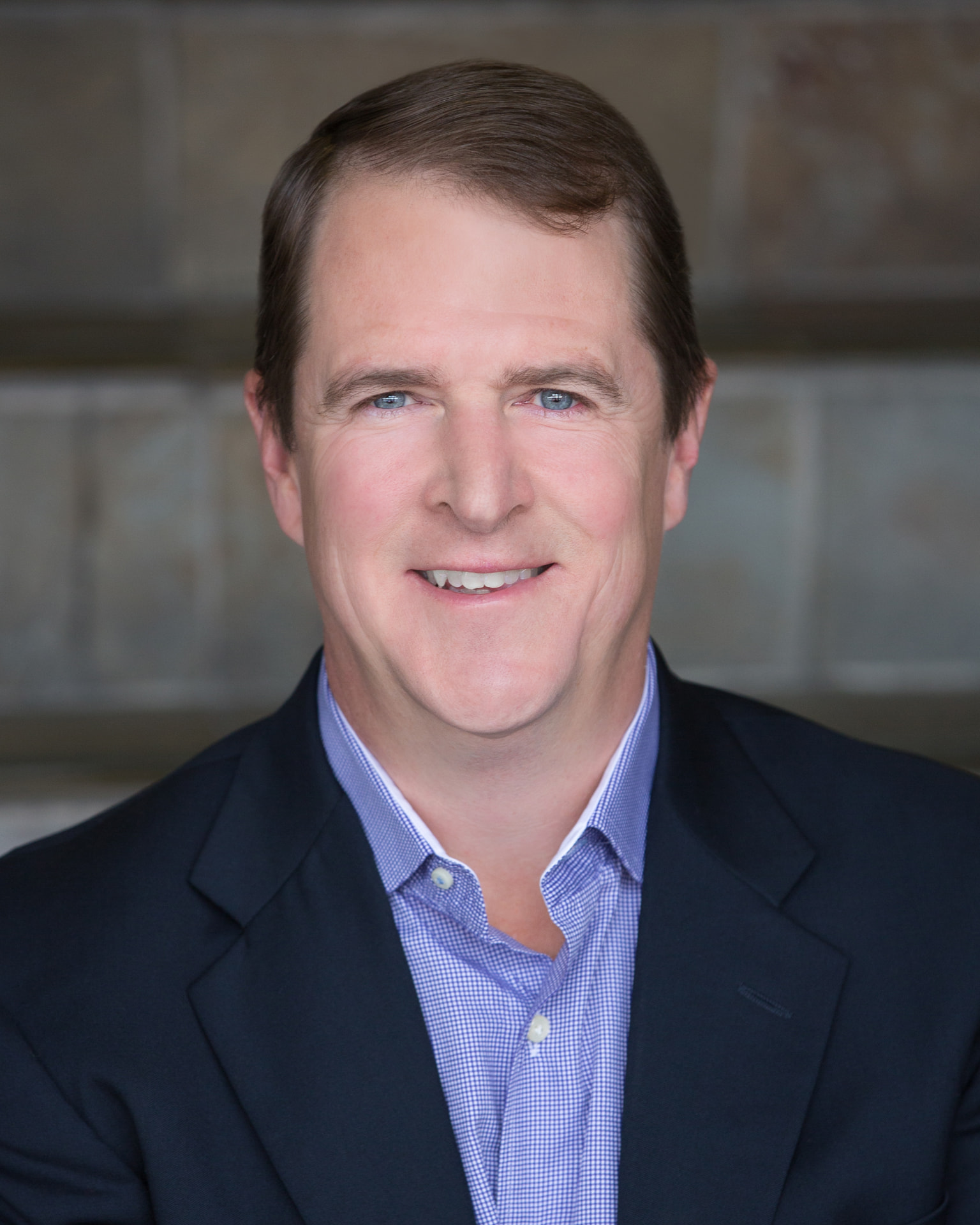
Walter Barry
Here is my personal background and Ownership Society story.
Personal
- Born in 1966 and grew up through high school in Wayzata, Minnesota, about 15 miles west of Minneapolis. Married with children, living in California today.
- Attended Princeton University, graduating in 1989 with a B.A. in History and a Certificate in the Program for Latin American Studies.
- Worked in the health care industry since 1989:
- Investment banking: Dillon, Read & Co. Inc. (1989–1991) as financial analyst.
- HMO: CareNetwork, Inc. (1991–1994, sold to Humana) as Director, Corporate Communications.
- Physician practice management: First Physician Care, Inc. (1994–1998, sold to PhyCor, Inc.) as Vice President, Business Development.
- Surgical supply chain software as a service: viaMD, Inc. (1998–2013) as Founder & CEO (www.viamd.com).
- Orthopedic medical device distribution: Stinson Orthopedics Inc. (2013–present) as Founder & CEO (www.stinsonortho.com) — now national distributor for Maxx Orthopedics Inc. (www.maxxortho.com).
- Medicare population health management: SwingHealth Inc. (2021–2023) as Founder & CEO (www.swiinghealth.com).
- Life Compass platform: Wingman.care (2026–present) (www.wingman.care).
- Music merchandising and ticketing services: HoneyHive.Music (2026–present) (www.honeyhive.music).
- Collegiate licensed game day accessories: Bespoke Honey Apparel LLC (2026–present) as Co-Founder & CEO (www.bhoney.shop).
Ownership Society history
My Princeton history studies focused on the history of ideas. Those studies heightened my awareness of the philosophical foundation for man’s natural rights, which animated the democratic revolutions in the Americas and Europe starting in 1776.
Political philosophy. I support public policy that allows people to exercise free choice in all aspects of our lives and to own the fruits of our labor, with the minimal government intervention required to defend the territory against enemies foreign and domestic, uphold our laws, and regulate commerce.
September 5, 2000. During the Bush–Gore presidential election cycle I sent a draft speech called “The Ownership Society” to the Bush–Cheney website, describing the philosophical foundation for an ownership society grounded in man’s natural rights to free choice and to the ownership and protection of private property. My rationale was that the GOP claimed it stood for freedom and opportunity, so I would start there. I never heard back from the campaign.
May–July 2003. On a return flight from Europe to the Bay Area in late May 2003, I re-wrote the Ownership Society in the back of a book cover and shared one of my ideas on earned citizenship with a political consultant over dinner north of San Francisco in early June. He encouraged me to send my policy ideas in writing. I prepared a 14-page Ownership America policy framework and emailed it to him on July 14, 2003. In August 2004 the consultant told me he had forwarded the document to Karl Rove and two party contacts in July 2003, and that the Bush administration was incorporating the Ownership Society theme and some of the ideas. President Bush began using the theme in 2003 and more publicly during the 2004 campaign. Fred Barnes asked President Bush and Karl Rove about the source of the idea for his book Rebel in Chief (2006); their response was “we don’t know.” In summary, the administration never used the framework in full context, because several of the policy solutions ran counter to Republican social positions at the time — such as a woman’s right to choose and civil unions — or were considered too aggressive, such as the rejuvenation of first-time felons.
Mid-2000s. I read these evolutionary science books by legendary biologists, in this order: Frank Ryan’s Darwin’s Blind Spot, Richard Dawkins’ The Selfish Gene, Edward O. Wilson’s The Social Conquest of Earth, and Martin Nowak’s SuperCooperators. Together they made a powerful scientific case for man’s natural rights and, ostensibly, for my Ownership Society philosophy. In them I also discovered the Evolutionarily Stable Strategy (“ESS”) theory that I believe supports the Ownership Society as our next socio-economic ESS.
Humans are genetically programmed, as part of the Darwinian natural selection process, to own all aspects of our lives, including the creation and protection of our home and the other assets we acquire through our labor. Cells and all life forms act out of self-interest to strengthen their position within a species. We build homes and acquire property to improve our relative fitness. In certain social conditions defined by Dr. Martin Nowak and confirmed among leading evolutionary dynamics experts, people cooperate out of enlightened self-interest to achieve objectives that may differ but still confer a net gain over the alternative of competition.
From 2009 to 2012 I became convinced that an Ownership Society is man’s missing socio-economic ESS, and represents the required next “mutation” of representative democracy as a political ESS and of free-market capitalism — ensuring that all free, productive people can generate maximum taxable wealth and live free of government. As we see across world history, increasing human dependence on government and redistribution policies predictably erodes freedom, destroys the wealth creation needed for prosperity, and ultimately results in civil unrest or revolution.